Topic
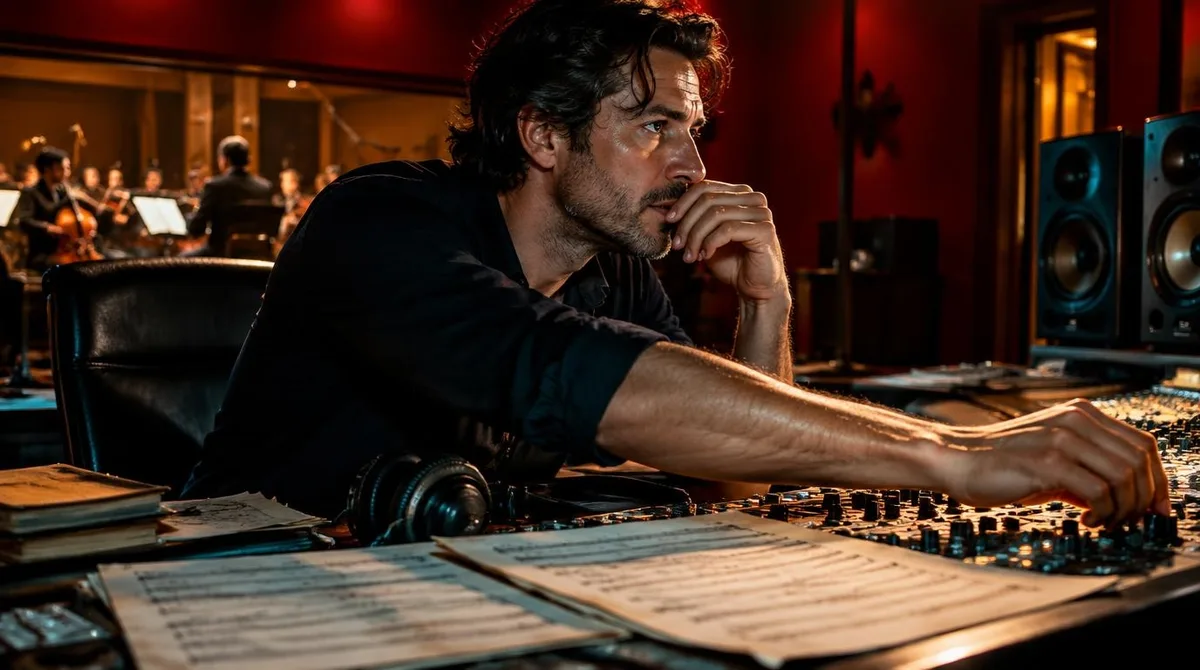
The Second Hearing: Why the Same Cue Sounds Different the Second Time
A recurring film cue never plays to a fresh audience. Each return carries everything the listener already knows.
A recurring film cue never plays to a fresh audience. Each return carries everything the listener already knows.

Ticketing, touring economics and festival deals, read with the scepticism the headlines usually leave out.
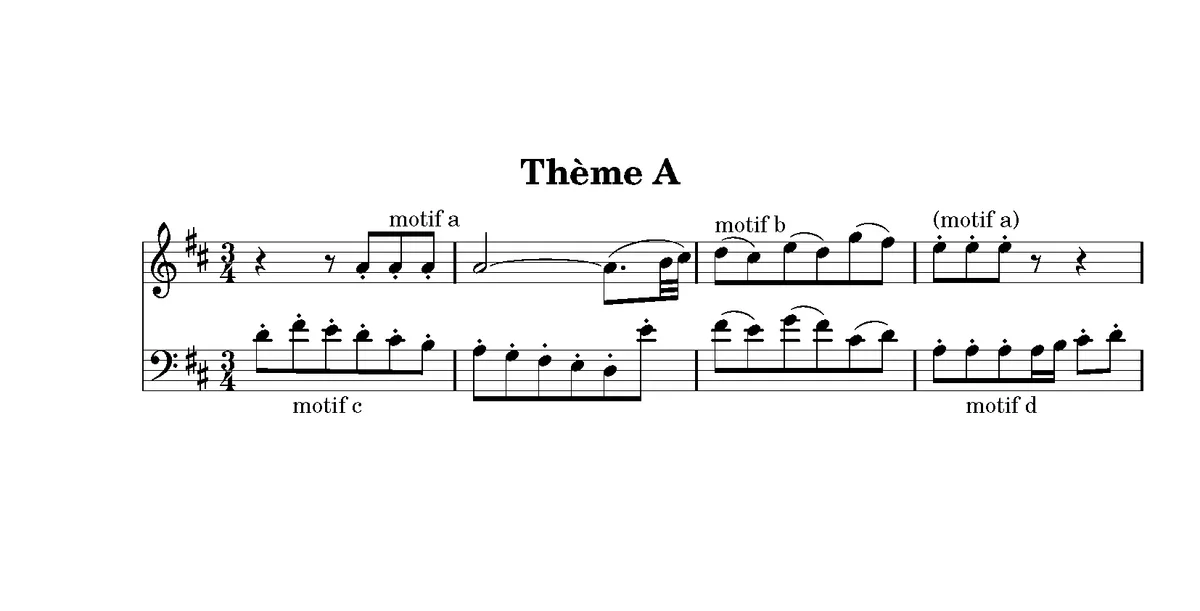
Two or three notes can name a character, flag an object, and track a plot turn — all below the level of conscious attention.
Van diaries, motel receipts and soundcheck boredom: the touring memoir tells the part of the music story the highlight reel leaves out.
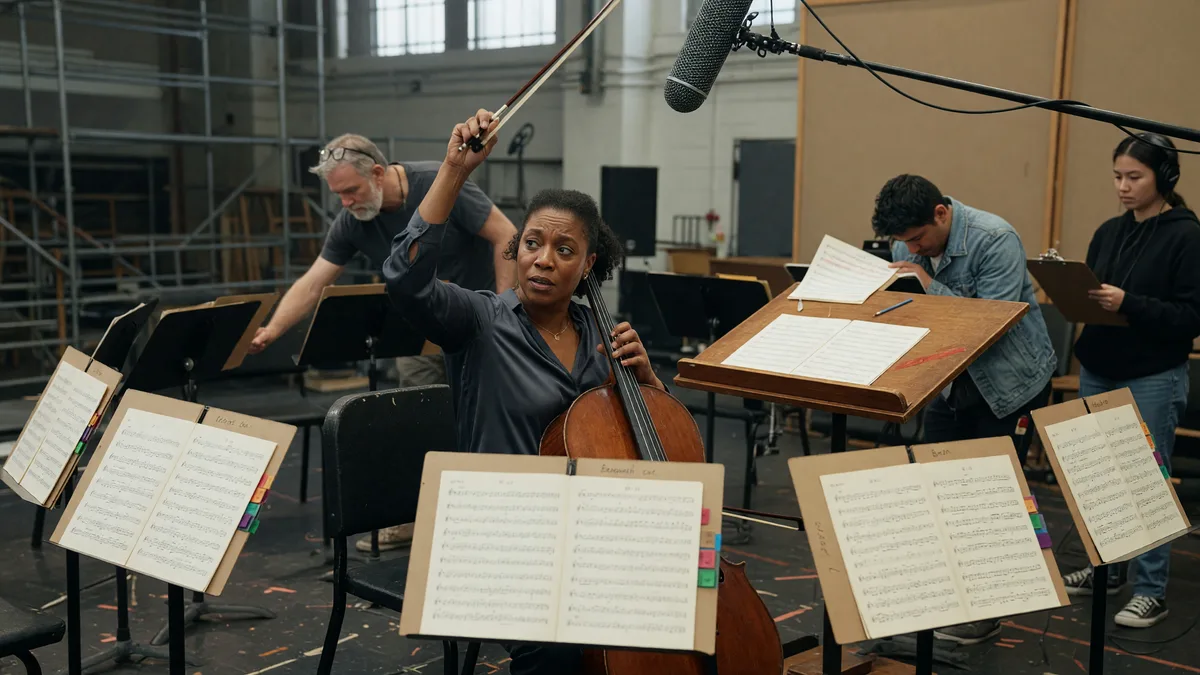
Tony Gilroy cast his composers like actors — and the structure of 'Behemoth!' turns that choice into the film's argument.
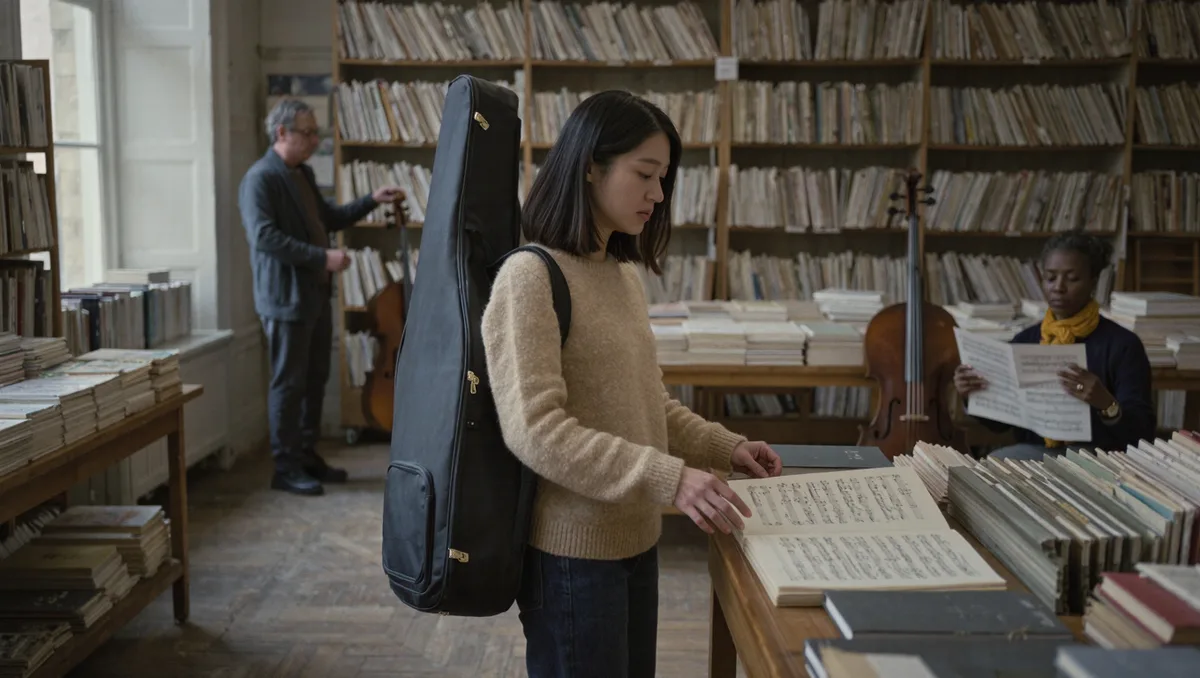
A search for the right independent bookstore starts with knowing what a deep music shelf looks like — and where to look for one.

Email, the oldest delivery on the internet, is quietly reshaping how score news, sync deals and industry gossip reach the people who need them.
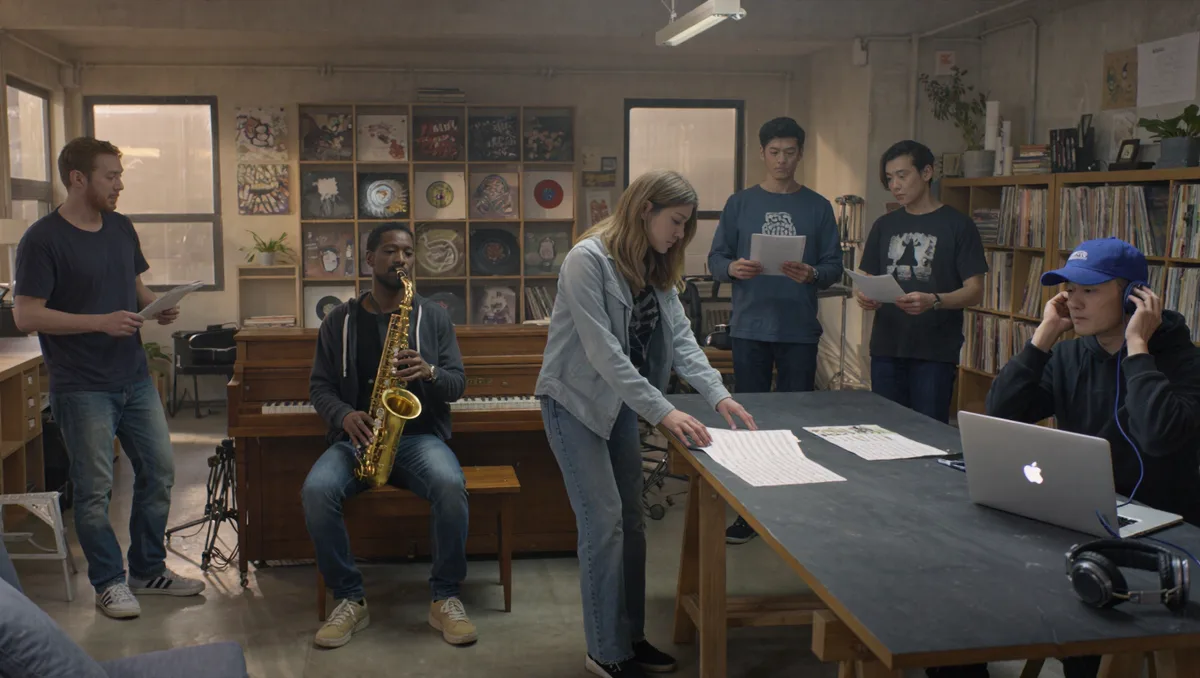
Narrative verse in hip-hop and folk runs on the same engine: concrete detail, a controlled point of view, and a rhyme scheme that keeps the story moving.
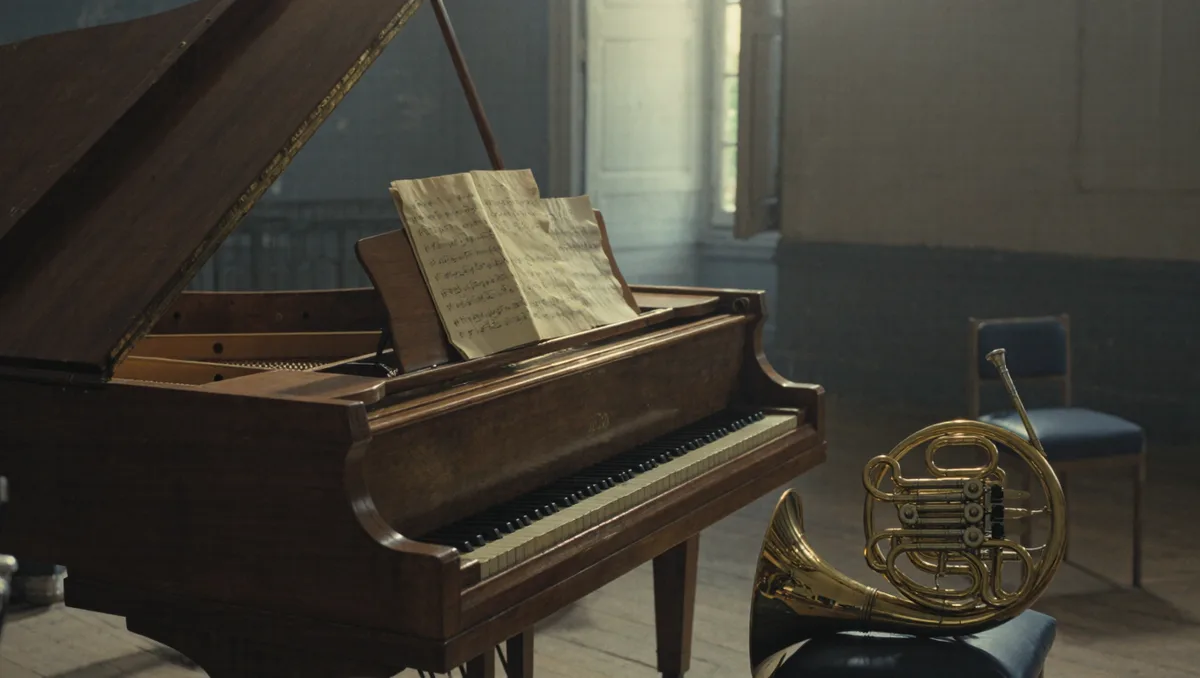
Repetition is not filler in a score or a chorus. It is the mechanism that turns sound into expectation, and expectation into emotion.
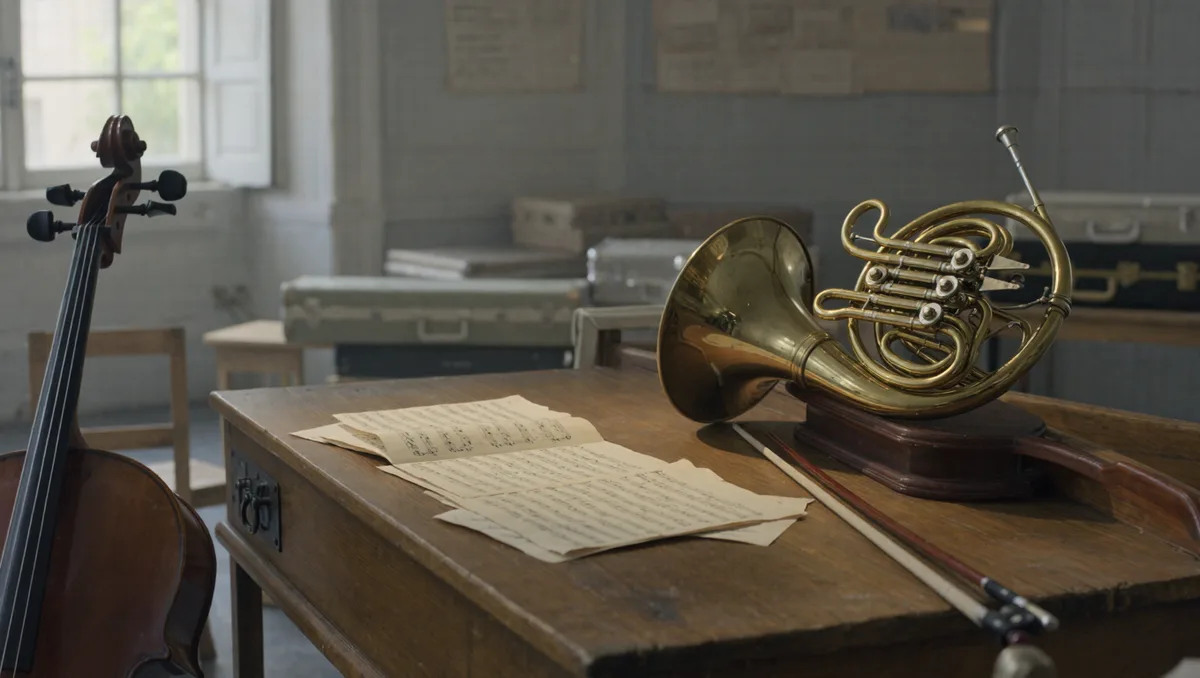
Absence of music is a compositional decision, and in the best scores it carries as much narrative weight as any cue.