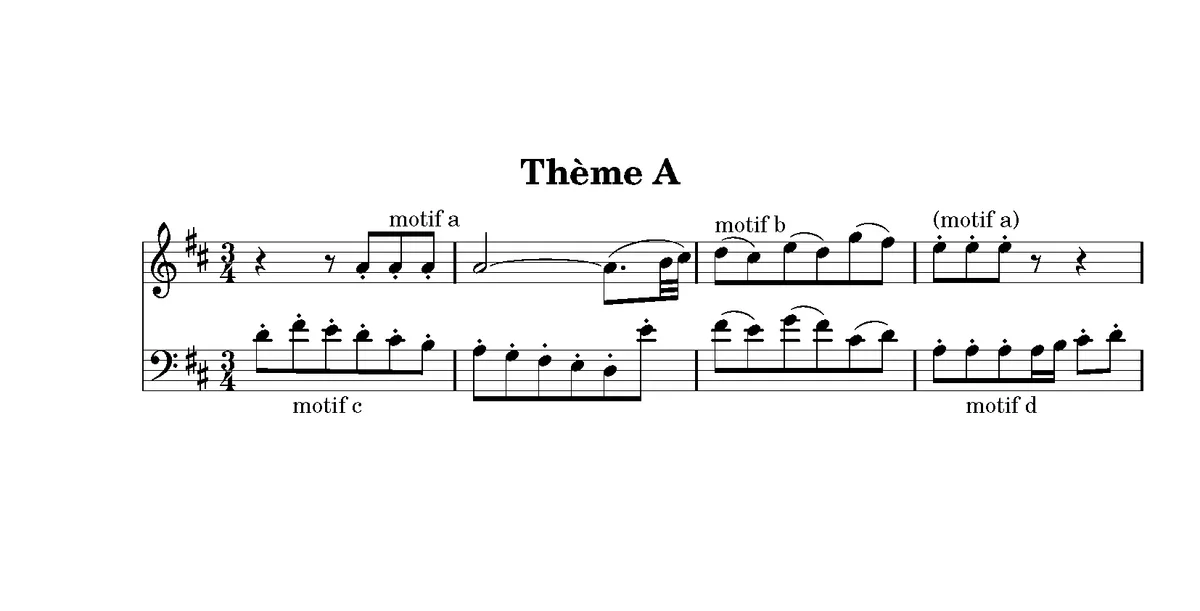
The Smallest Story in the Score: How a Musical Motif Carries Information the Audience Never Notices
Two or three notes can name a character, flag an object, and track a plot turn — all below the level of conscious attention.
Two or three notes can name a character, flag an object, and track a plot turn — all below the level of conscious attention.
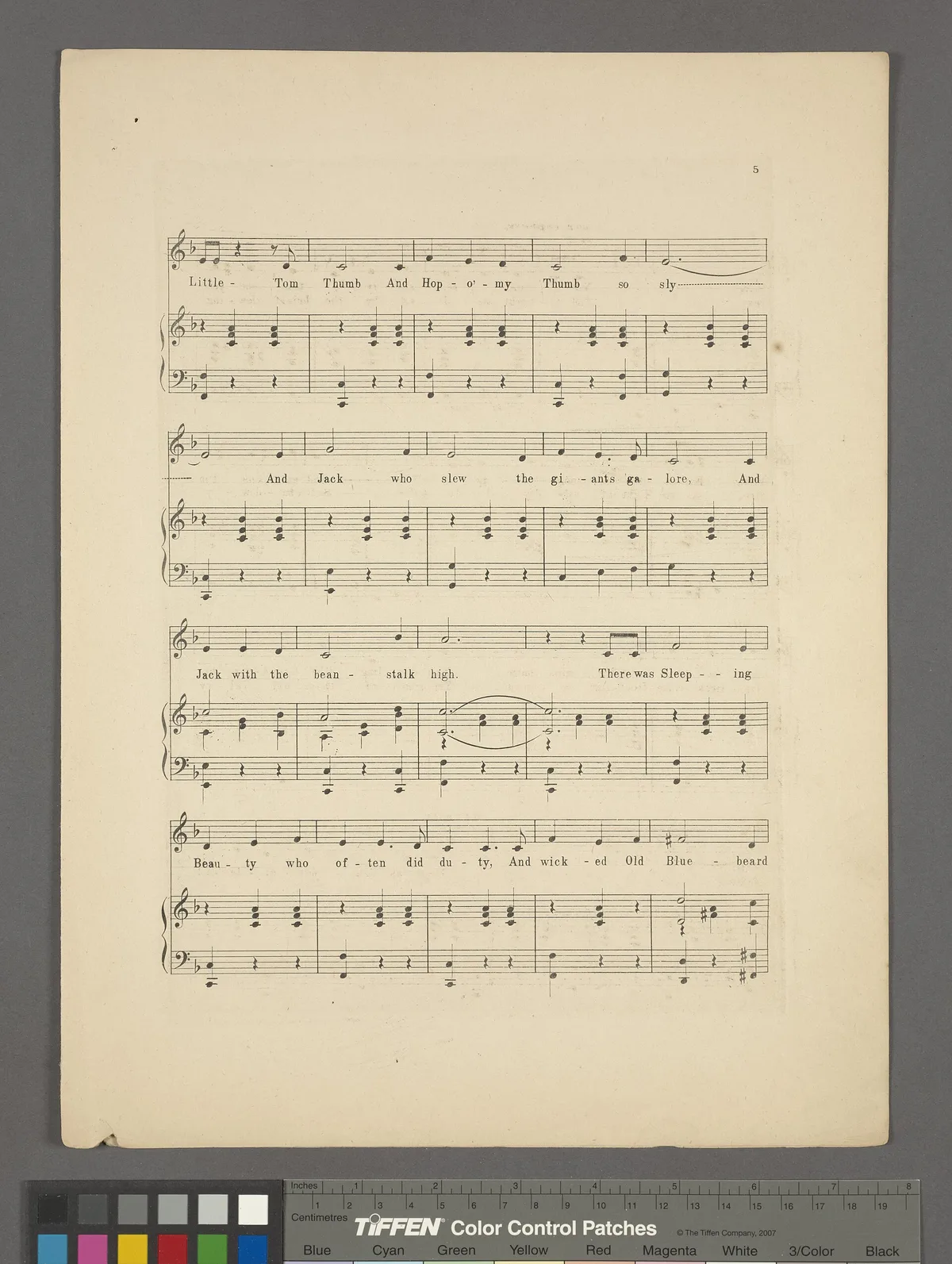
Ballads have carried stories for centuries. Here is how the ballad form works, where it came from, and why it still shapes storytelling in song.
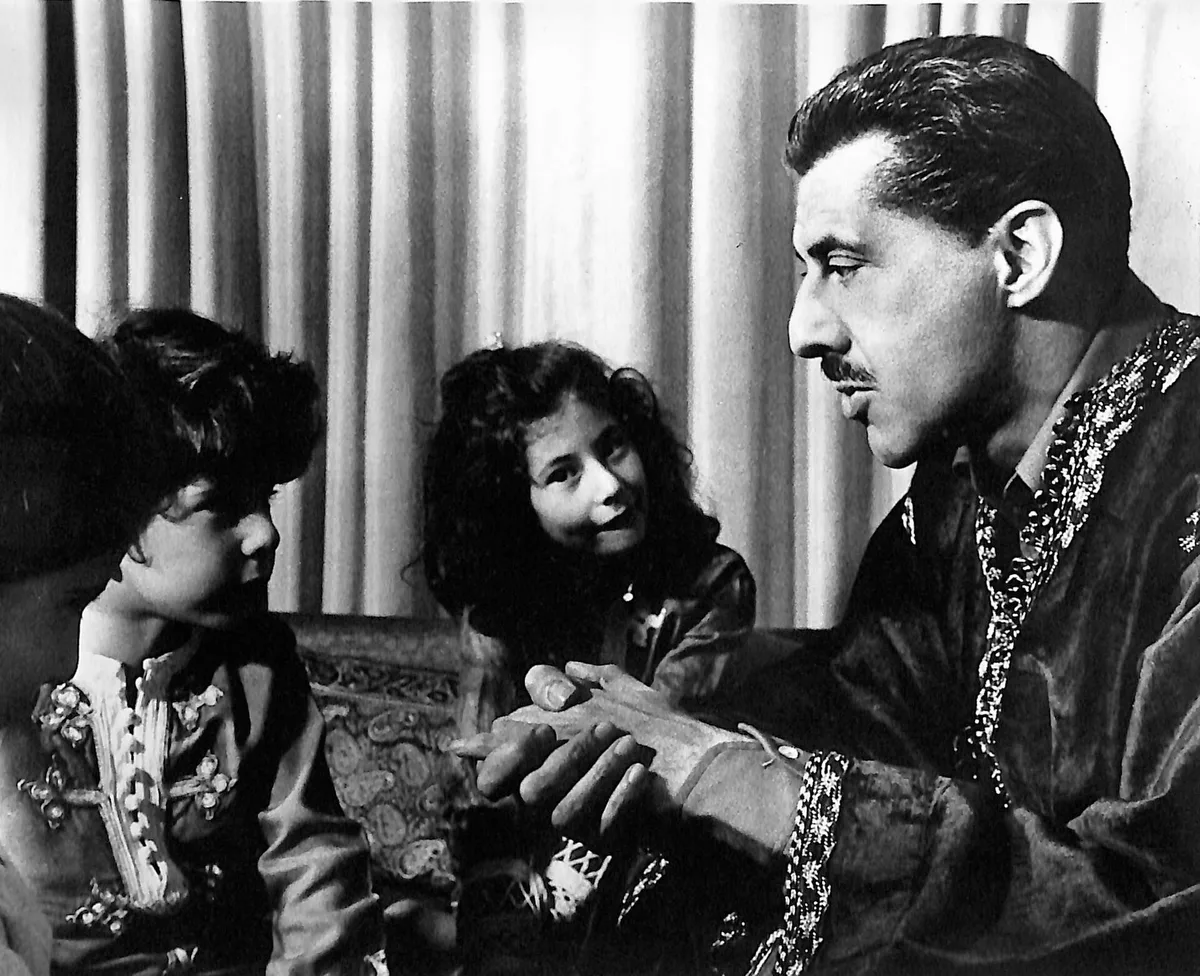
Three narrative tools borrowed from prose, and how each one earns its keep in a lyric.
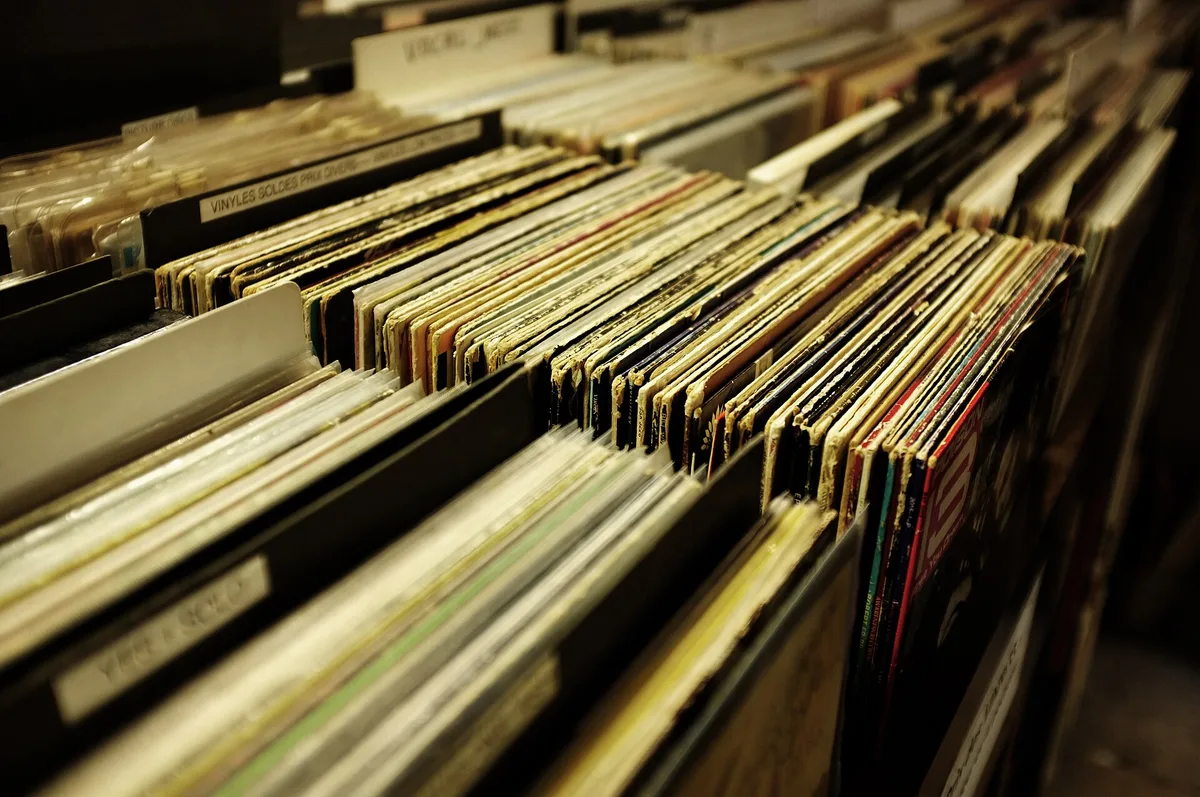
A good record shelf fits every format, protects first pressings, and grows with your taste. How to build a home for your vinyl collection.
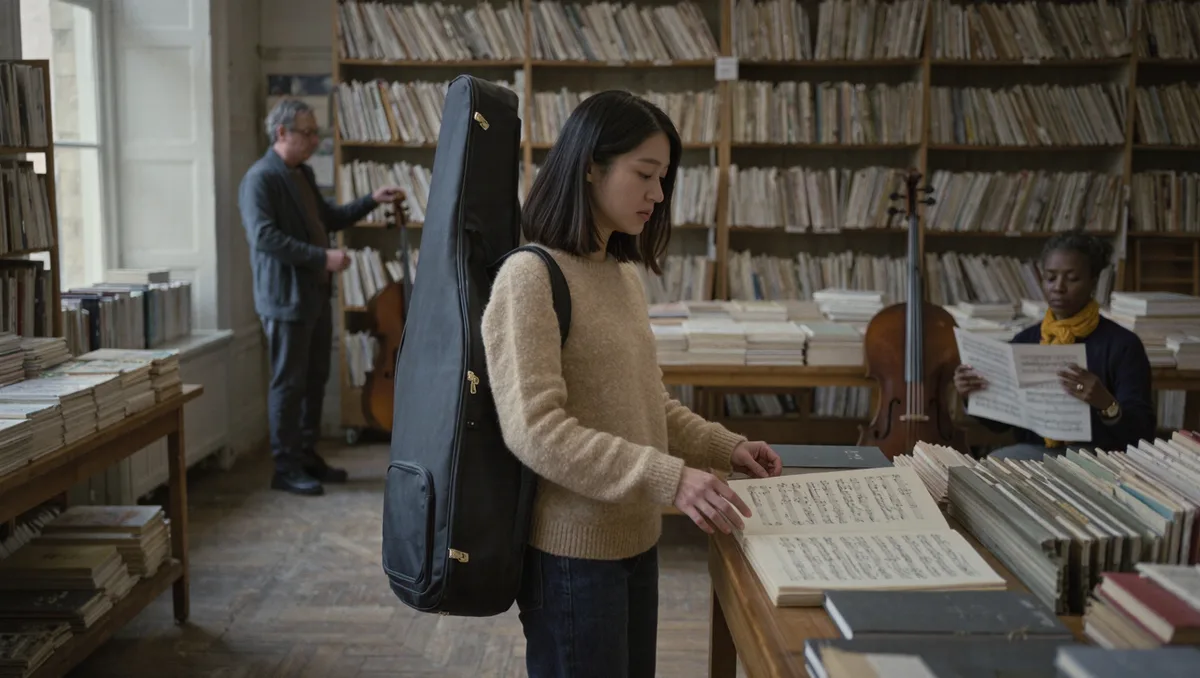
A search for the right independent bookstore starts with knowing what a deep music shelf looks like — and where to look for one.
A memoir gives you one memory, polished. An oral history hands you the argument itself — and music stories are usually arguments.
A buyer's guide to telling documented reporting from devotion, using one new book as the test case.
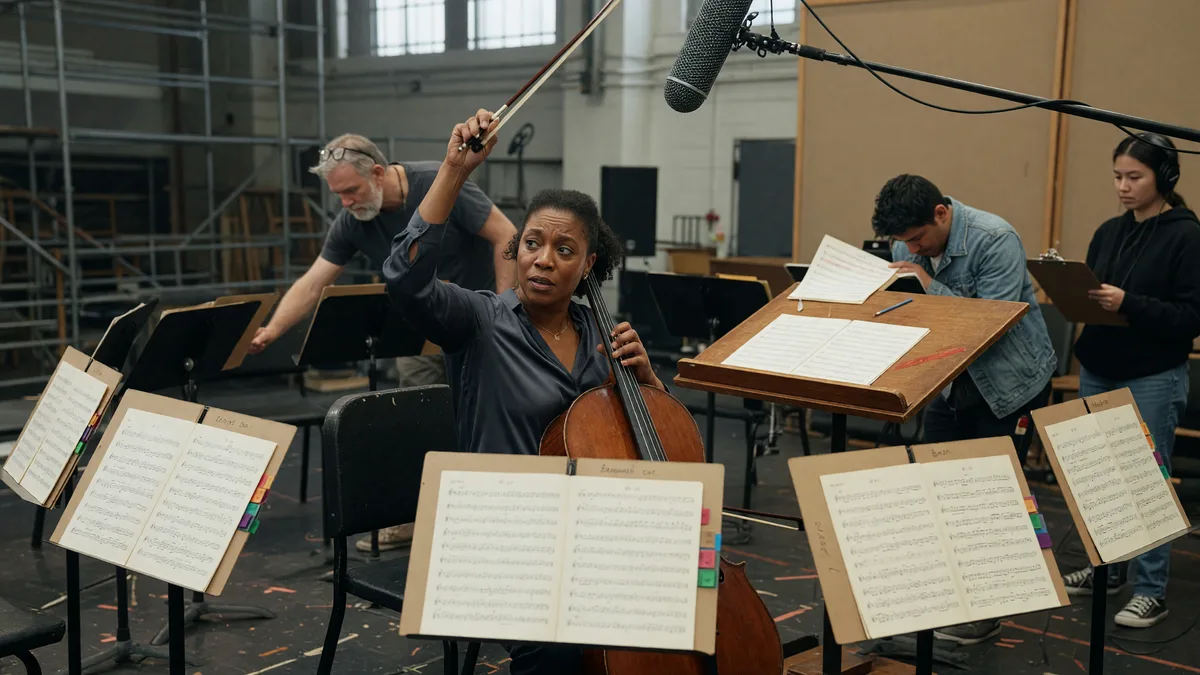
Tony Gilroy cast his composers like actors — and the structure of 'Behemoth!' turns that choice into the film's argument.
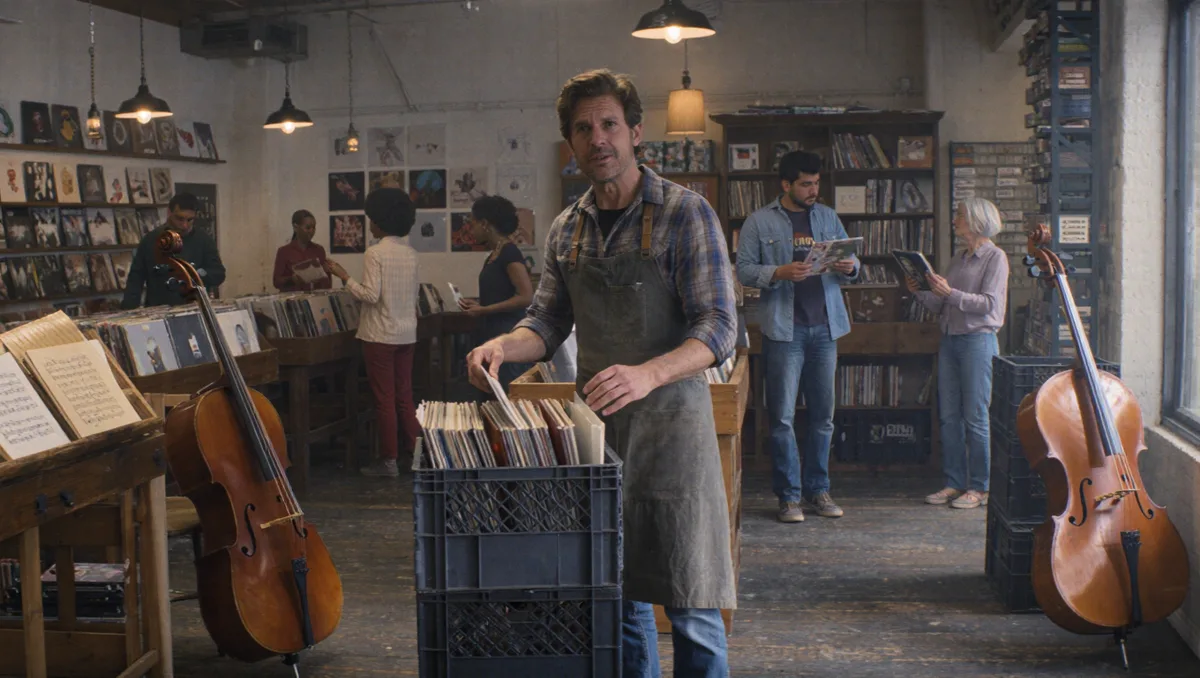
From bound books of 78s to a two-inch streaming thumbnail, sleeve art has always done narrative work — the format just keeps changing the size of the page.
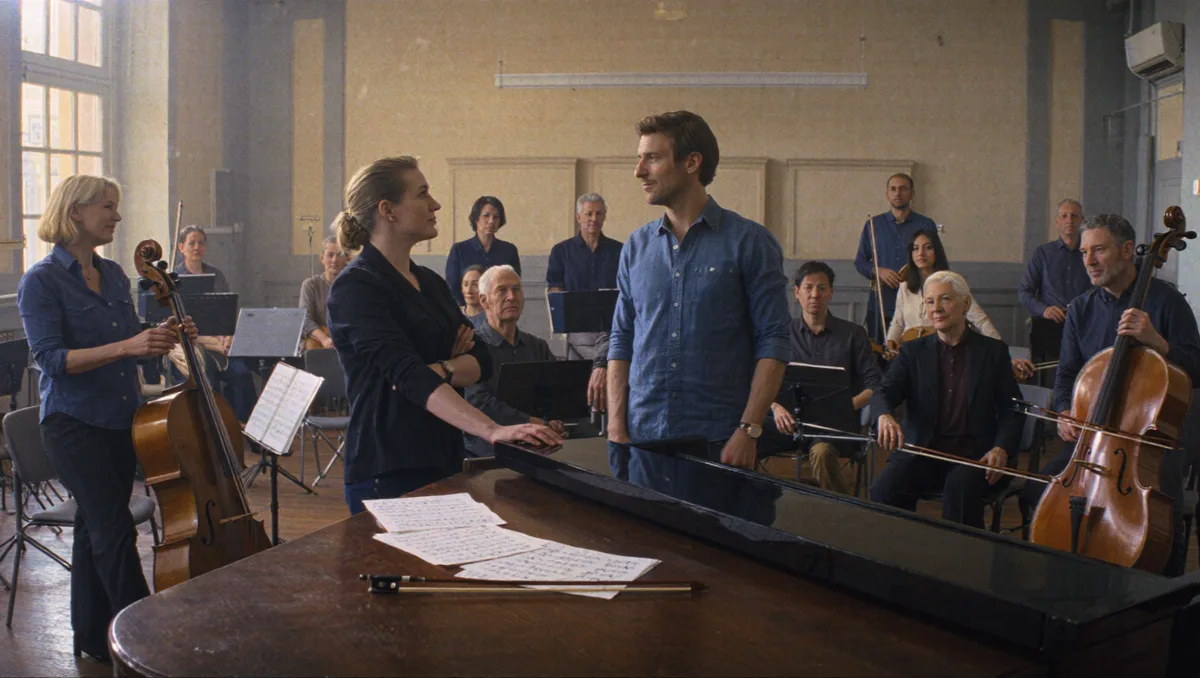
What a soundtrack collection is actually for, and how to let that answer decide what you buy, what you stream, and what you skip.
Göransson took the Original Score Oscar at the March 2024 ceremony for Christopher Nolan's Oppenheimer — his second, after Black Panther in 2019, and the quiet capstone of a scoring partnership now five films deep.
Before a ranking can mean anything, the word at its center has to be examined.

Email, the oldest delivery on the internet, is quietly reshaping how score news, sync deals and industry gossip reach the people who need them.

Accuracy, sourcing, and separation of news from promotion: the checks that separate the trade press worth trusting from the rest.
The spotting session, where director and composer watch the cut and decide where music enters and leaves, is where a score's real architecture is set — and the temp track that usually precedes it shapes more of the outcome than audiences ever hear.