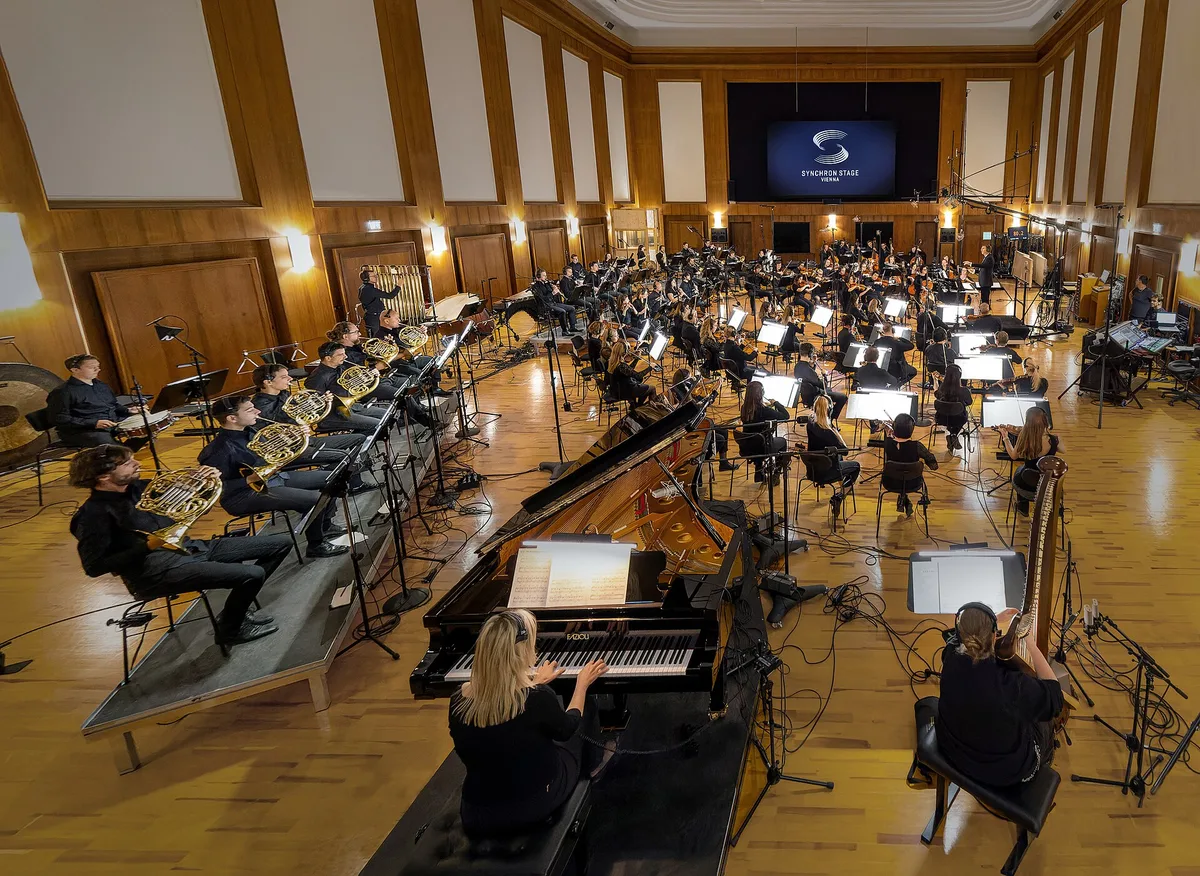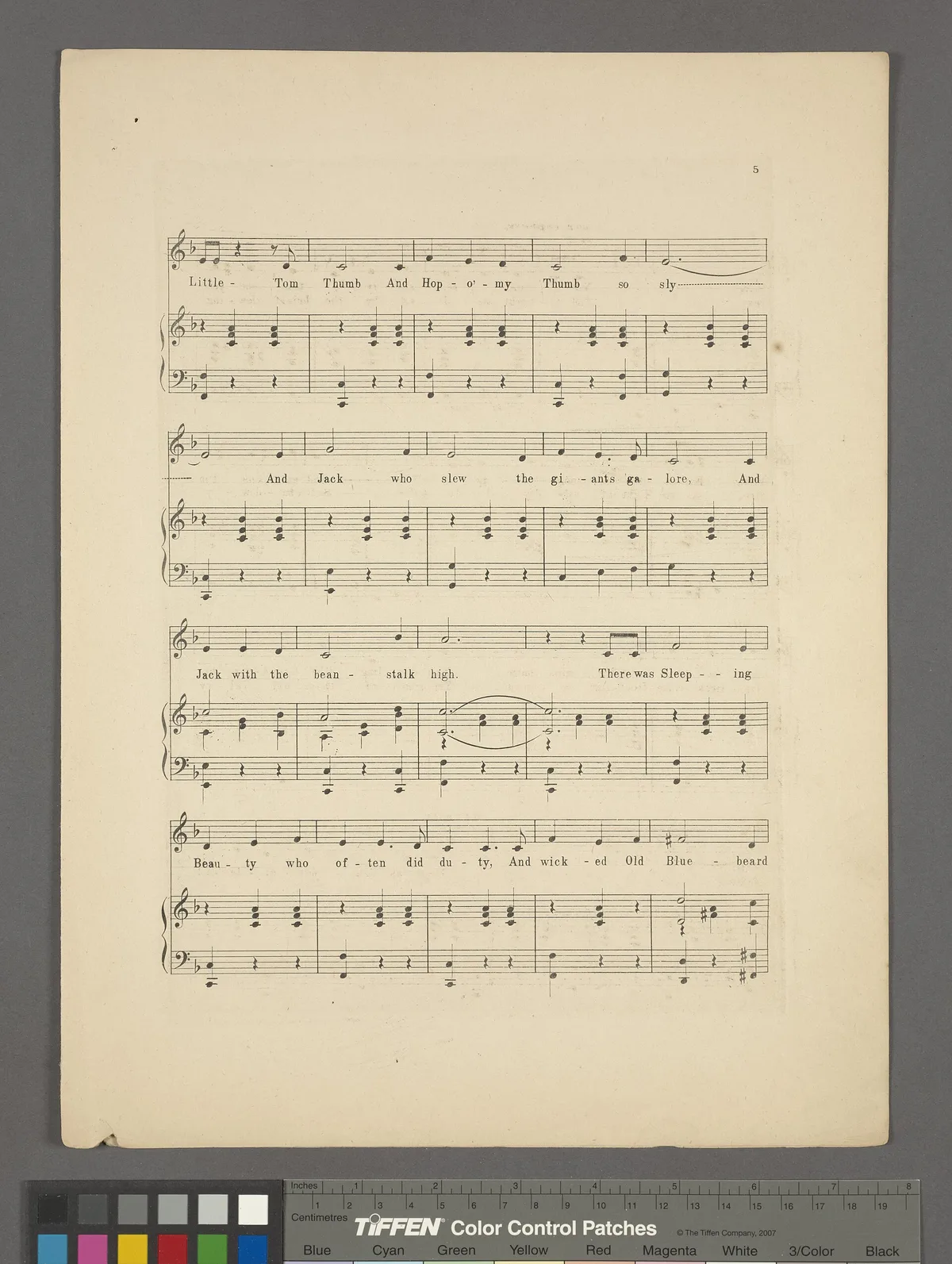
Long before people read stories, they sang them. A good tune can carry a plot across mountains, generations, and seas. That has been the job of the ballad for centuries, and it has never really gone away. The format is old, but it refuses to retire.
According to Wikipedia's overview of the ballad, a ballad is a form of verse, often a narrative set to music. In other words, it is a story you can sing. Storytelling itself began in the voice, and Wikipedia's article on storytelling notes that oral storytelling came in forms including songs, poetry, chants, and dance.
A Story You Can Sing
The ballad grew out of everyday life. The word traces back to medieval French dancing songs, built on a Latin word meaning to dance. In England, the earliest recognizable ballad in form is a poem called Judas, found in a manuscript from the thirteenth century, according to the same source. For related coverage, see Telling It Straight: How Musicians Turn Life Stories Into Songs.
The form spread wide. Ballads were especially common in the popular poetry and song of England, Ireland, and Scotland from the late Middle Ages into the nineteenth century. From there they traveled across Europe, and later to North America, South America, Australia, and beyond.
Built to Be Remembered
Ballads are engineered for memory. Many use short four-line stanzas, with the second and fourth lines rhyming, as the same overview describes. That rhyme gives the ear a hook. Repetition does the rest, since refrains, repeated lines, and even repeated whole stanzas are common features of the form. We covered a connected angle in The Note That Returns: how musical repetition builds feeling.
They are also built lean. Most ballads are narrative in nature, telling a self-contained story in a compact way. Wikipedia notes that they rely on imagery rather than description. We see the ride, the battle, or the betrayal instead of reading a long paragraph about it.
Their stories came from the people. Many ballads have no known author and no single correct version. Passed along by oral tradition, each one survives in many variations. Scholars have even argued over whether ballads were first composed by whole communities or by single authors.
From Folk Tale to Pop Single
Time changed the word but kept the job. In the later nineteenth century, Wikipedia explains, ballad came to mean a slow love song, and people still use it that way for pop and rock music. The storytelling side never left, though. The phrase The Ballad of now turns up in the titles of films and other media as a promise that a tale is coming.
Modern songwriters still reach for the old tools. A verse that advances the plot, a chorus that returns, and a final stanza that lands the ending. That is ballad structure wearing new clothes. The technology of rhyme and refrain still does exactly what it always did.
Why the Format Still Works
Ballads solve the oldest problem in storytelling, which is keeping a story alive in memory. Rhyme and repetition make lines easy to recall. Simple imagery makes scenes easy to picture. A story that is easy to remember is a story that gets retold.
The form also fits the way people actually listen. We hear songs while walking, working, or riding along. A ballad meets us there and hands us a complete story, with a beginning, a middle, and an end. Not many formats can do that in a few short minutes.
The range of subjects helped too. Wikipedia lists ballad themes as tragic, historical, romantic, or comic, and notes that many ballads grew from the Robin Hood legend. A format that can hold outlaws, love stories, ghosts, and jokes is a format that never runs out of work.
Conclusion
Ballads remain the ultimate storytelling format because they were designed for survival. They are short, vivid, musical, and easy to carry in the head. From dancing songs in medieval France to slow songs on modern playlists, the ballad keeps proving the same point. A story set to music is a story that lasts.